
Explore Contadora
The island that counted pearls
Contadora measures just over one square kilometer. You can cross it on foot in twenty minutes, there are hardly any cars, and on weekdays its beaches are usually empty. Yet this small island holds an enormous history: pearls that traveled to the crowns of Europe, pirates lying in wait for the silver of Peru, a shah in exile, a peace initiative that bears its name.
And all around it, the Pearl Islands: more than two hundred islands and islets, reefs, bird colonies and, every year, the whales that come here to give birth.
Exploring Contadora isn’t about checking off a list. It’s about slowing down until the island starts telling you things.
The map
Contadora and its neighbors
The island7 places
Contadora
No one can agree on how many beaches Contadora has. What is certain is that on weekdays it’s easy to have one all to yourself.
Map drawn with data from © OpenStreetMap contributors. The villa’s location will be added once confirmed.
Chapter 1
History
From the first settlers to the word “peace”
6,000 years ago
Before it all
Long before the pearls and the pirates, the peoples who lived on nearby Isla Pedro González ate dolphins and hunted a tiny deer that no longer exists. The Smithsonian has found more than a hundred pre-Columbian sites in the archipelago.
1513
The South Sea
In 1513, Vasco Núñez de Balboa crossed the isthmus and, from high on a mountain ridge, saw this ocean. He named it the South Sea and claimed it for the Crown. Soon after, he sighted its islands and named the region the Archipelago of Pearls.
Continue in the Santorini roomColonial times
The name
In colonial times, divers brought up pearls from the seabed around every island in the archipelago. Before the pearls were shipped to Spain, they were brought here to be counted. That is why this island is Contadora: “the one who counts.”
Continue in the Delos room16th century
La Peregrina
In the 16th century, an enormous teardrop-shaped pearl turned up in these waters. It passed through the hands of Philip II, Mary Tudor, and several queens of Spain, and in 1969 Richard Burton bought it for Elizabeth Taylor. Behind its luster lies a harder story, too: that of the divers who brought the pearls up from the seabed, many of them enslaved Africans. Their descendants still live on the islands of the archipelago.
Continue in the Paros room1685
The buccaneers
In May 1685, a fleet of English and French buccaneers lay in wait among the Pearl Islands for the fleet carrying the silver from Lima. There was cannon fire, but the silver got through and the buccaneers sailed away. On board was William Dampier, who would later write one of the great travel books of his time.
Continue in the Milos roomLate 1960s
The yacht that broke down
In the late 1960s, the yacht of Panamanian businessman Gabriel Lewis Galindo broke down off Contadora. Lewis stayed; in 1968 he bought a good part of the island and opened it to the world. Then came Elizabeth Taylor, John Wayne, and Cantinflas.
Continue in the Mykonos room1979–1980
The Shah
After the Iranian Revolution, Mohammad Reza Pahlavi and Farah Diba lived on Contadora for a time. It is said that the Shah offered $25 million for some land on the island, and that in the end it was never sold to him.
Continue in the Mykonos room1983
The word “peace”
In January 1983, the foreign ministers of Colombia, Mexico, Panama, and Venezuela met here to seek a way out of the wars in Central America. The Contadora Group was born, and the island’s name became forever linked to the word “peace.”
Continue in the Ios room
Chapter 2
The beaches
Twelve or thirteen, depending on who you ask
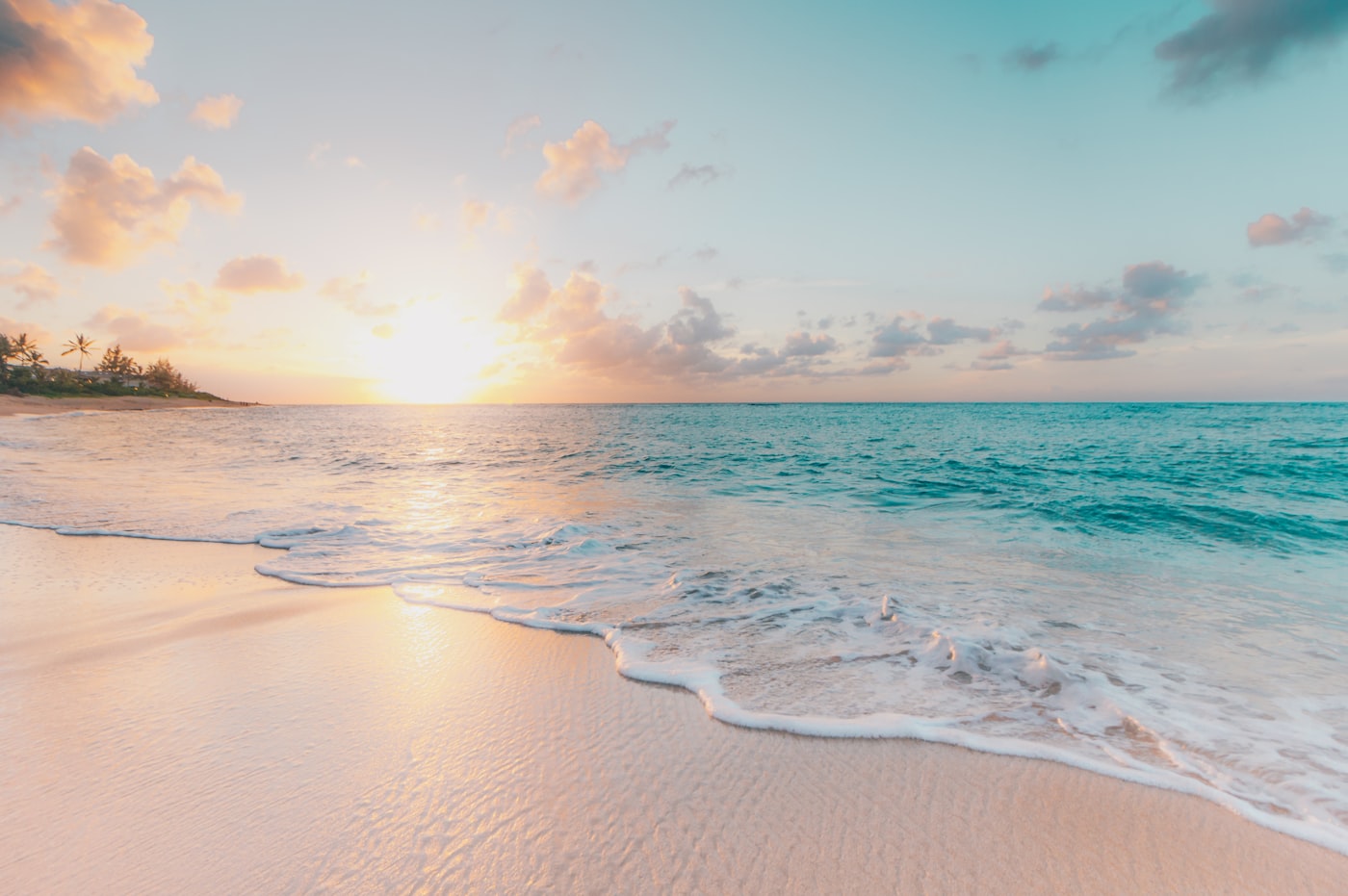
No one can agree on how many beaches Contadora has. What is certain is that on weekdays it’s easy to have one all to yourself.
Playa Galeón
Calm, sheltered water; the favorite for an unhurried swim and for snorkeling from the shore.
The Amorgos roomPlaya Larga
The longest and best known, on the east side. Pale sand, calm water, and the starting point for almost everything.
Playa de las Suecas
At the end of the path past Playa Larga, the only beach in Panama where clothing is optional. Discreet and almost always empty.
Playa Cacique
Quiet and wide. Some call it “Playa Hawaii.” Sailboats cruising the archipelago drop anchor off its shore.
Playa Ejecutiva
The smallest on the island: a cove to the north that seems set aside for whoever finds it.
The Folegandros roomAnd more
Canoa, Caracol, Lucas, Roca, Camarón… small coves worth discovering without a map.
A tip: On weekends and holidays, yachts and motorboats come over from the city. On those days, the small coves are the quietest.
Chapter 3
Under the water
Reefs, turtles, and the blue of the open sea
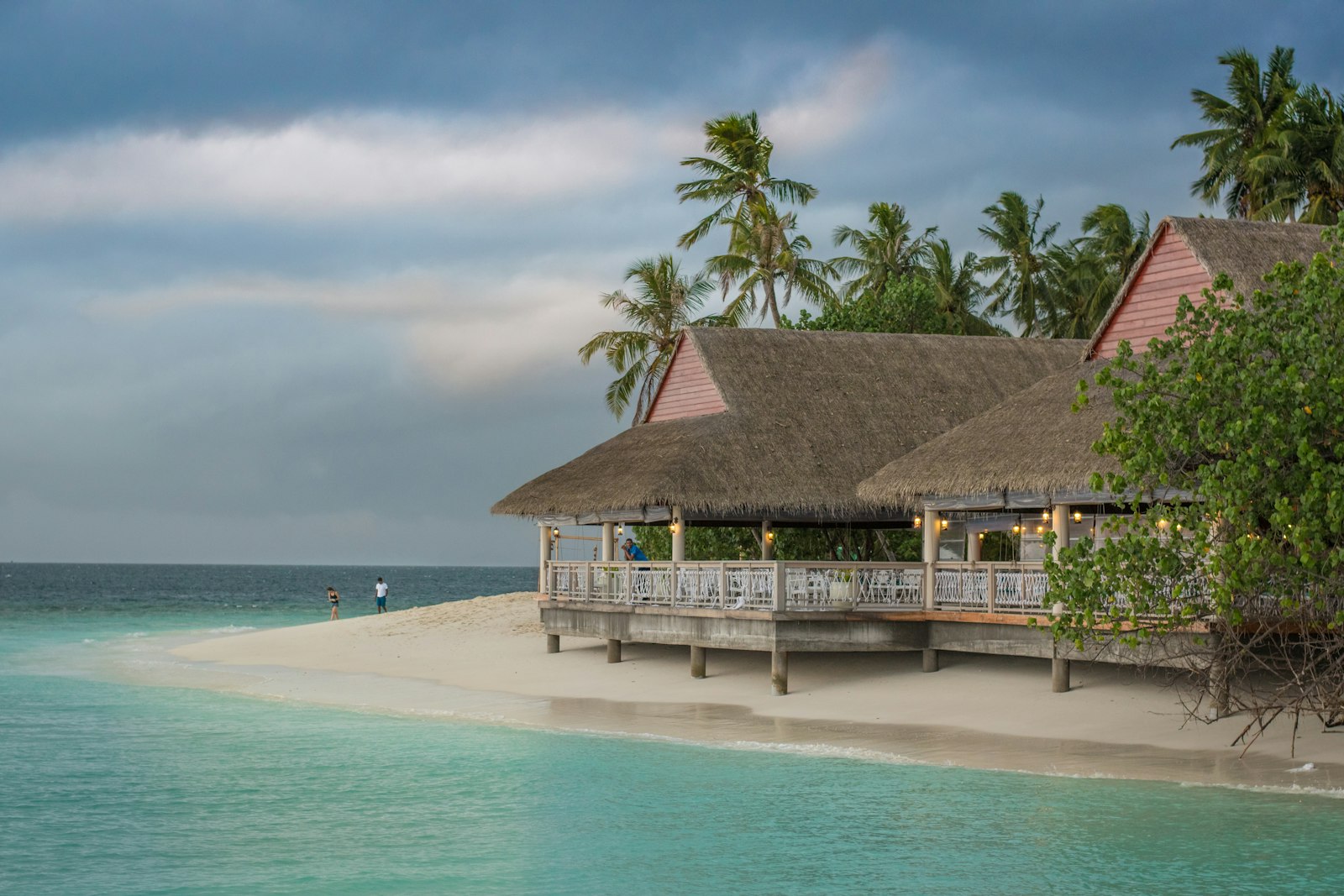
Contadora’s best blue is a few minutes away by boat. The Pearl Islands are home to dozens of coral species, and in their waters swim turtles, rays, angelfish, and nurse sharks, which are calm and harmless. The archipelago is also a breeding ground for hammerhead sharks.
Snorkeling at Chapera and on the sandbars
Shallow reefs and sandbars that appear and disappear with the tide.
Diving at Pacheca and Pachequilla
Rock walls, schools of fish, and, with luck, whitetip sharks.
Sport fishing
Out in open water, sailfish, wahoo, and marlin pass through.
The tides are in charge. In Panama’s Pacific waters, the sea rises and falls several meters in just a few hours. A sandbar can be a beach at noon and vanish by afternoon. The villa helps you plan your outings with the tide table.
Chapter 4
A year on Contadora
Each season, a different Contadora
January
- The trade-wind summer
It’s the dry season. The trade winds blow from the north, the sky clears, and the sea cools: deep water rises to the surface, bringing nutrients, fish, and birds with it. The water is cooler and less clear, but the sea is more alive than ever. In 2025, for the first time in at least forty years, that cold sea never arrived; Smithsonian scientists are still studying why.
Tinos room → - Sunsets over the Gulf of Panama
All year round.
Santorini room →
Chapter 5
Beyond Contadora
The Pearl Islands archipelago
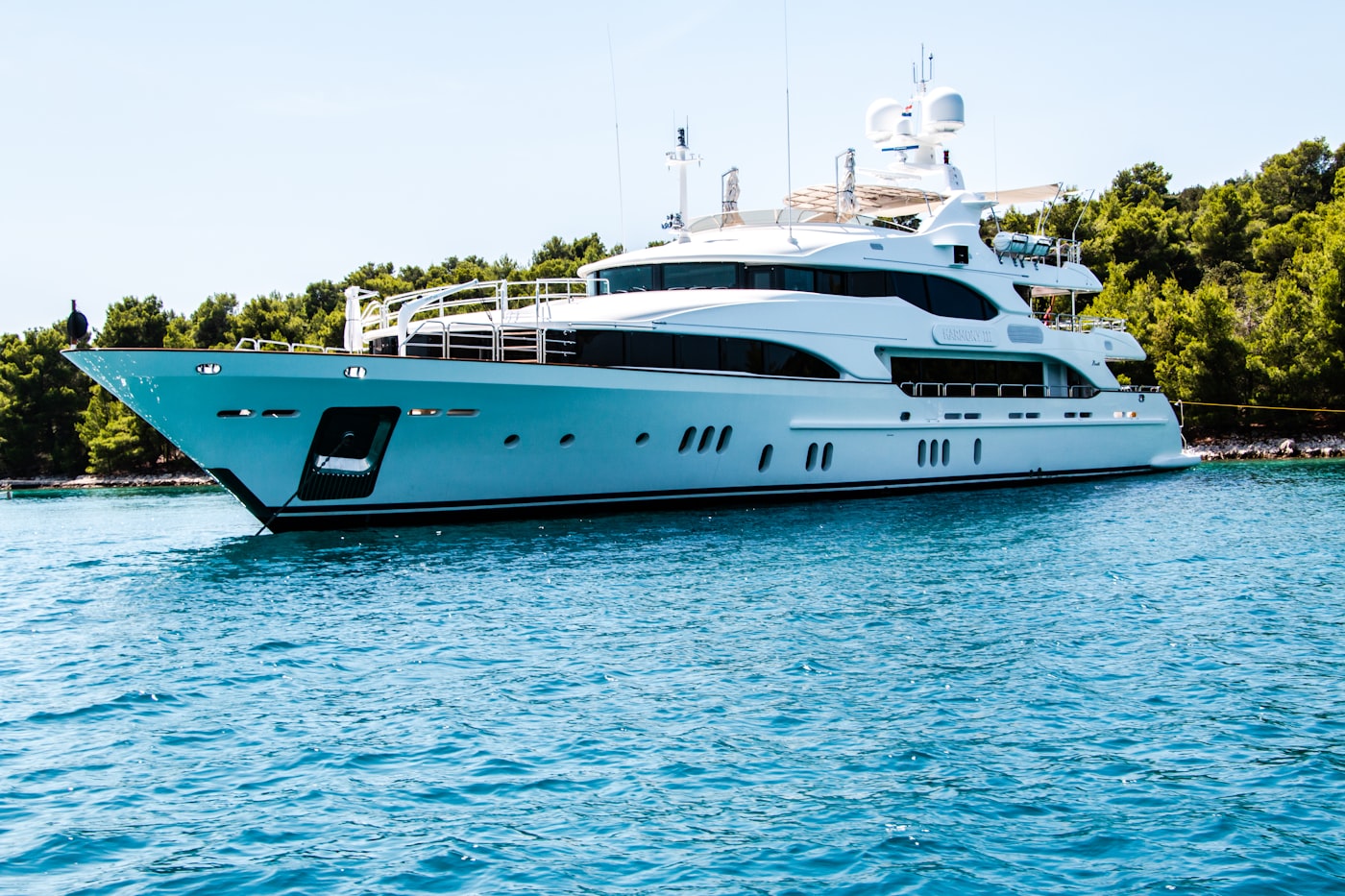
Contadora is the gateway. All around it are islands you can visit in a morning and others you only see from the boat.
Isla Pacheca
An island of birds: frigatebirds, pelicans, and cormorants nest in its trees and fill the sky. You watch it from the water, without going ashore, so as not to disturb the colonies.
The Andros roomSaboga
The neighboring island, where many of the people who work on Contadora live. In 2024 the Saboga Wildlife Refuge was created there, the first in Panama declared under the Rights of Nature law, with the support of the community itself.
Isla Chapera
White sand, clear water, and coves you can only reach by sea. Several seasons of Survivor and other adventure shows were filmed on these islands.
The Milos roomMogo Mogo
White sand, clear water, and coves you can only reach by sea. Several seasons of Survivor and other adventure shows were filmed on these islands.
The Milos roomIsla del Rey
The largest island in the archipelago, with fishing villages and descendants of the pearl divers of old.
Travel with respect. The Pearl Islands are a fragile ecosystem: keep your distance from the whales and the birds, and leave nothing behind on the islands.
Chapter 6
Getting here
The practical side, with no surprises
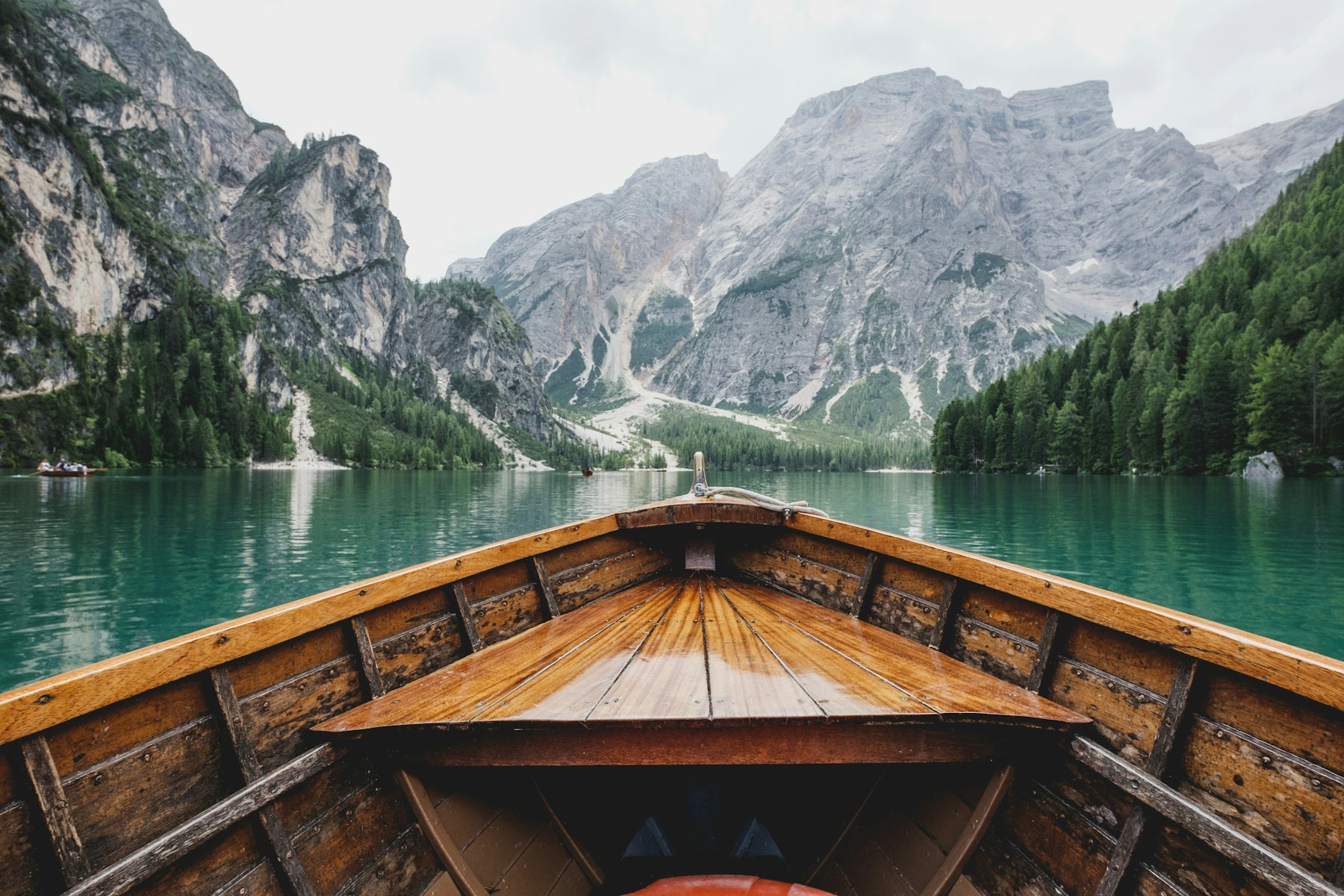
By ferry
It leaves from Fuerte Amador, in Panama City, first thing in the morning. The crossing takes between an hour and a half and two hours, and in season you sometimes see whales and dolphins along the way. More than one operator, with similar names, sails from different piers: we’ll send you the exact details when your reservation is confirmed.
The Serifos roomBy plane
There are short flights from Albrook Airport on certain days of the week, and charter flights on request.
Good to know before you come
- The island is small and quiet: there’s no nightlife and there are no big stores. That’s why we come.
- The tides and the weather are in charge: some trips out to sea may change times.
Experiences
To live the island
Snorkeling the reefs
Chapera and the sandbars the tide leaves behind.
Ask us
Whale watching
June to October, always at a respectful distance.
Ask usThe birds of Pacheca
Frigatebirds and pelicans, seen from the water.
Ask usCoves by sea only
Mogo Mogo and Chapera, with no way in by land.
Ask us
Trips can be booked here once they are arranged with the island’s operators.